
Restoring Hope for Pastoralist Communities in the Horn of Africa
When the Land Suffers, Communities Suffer
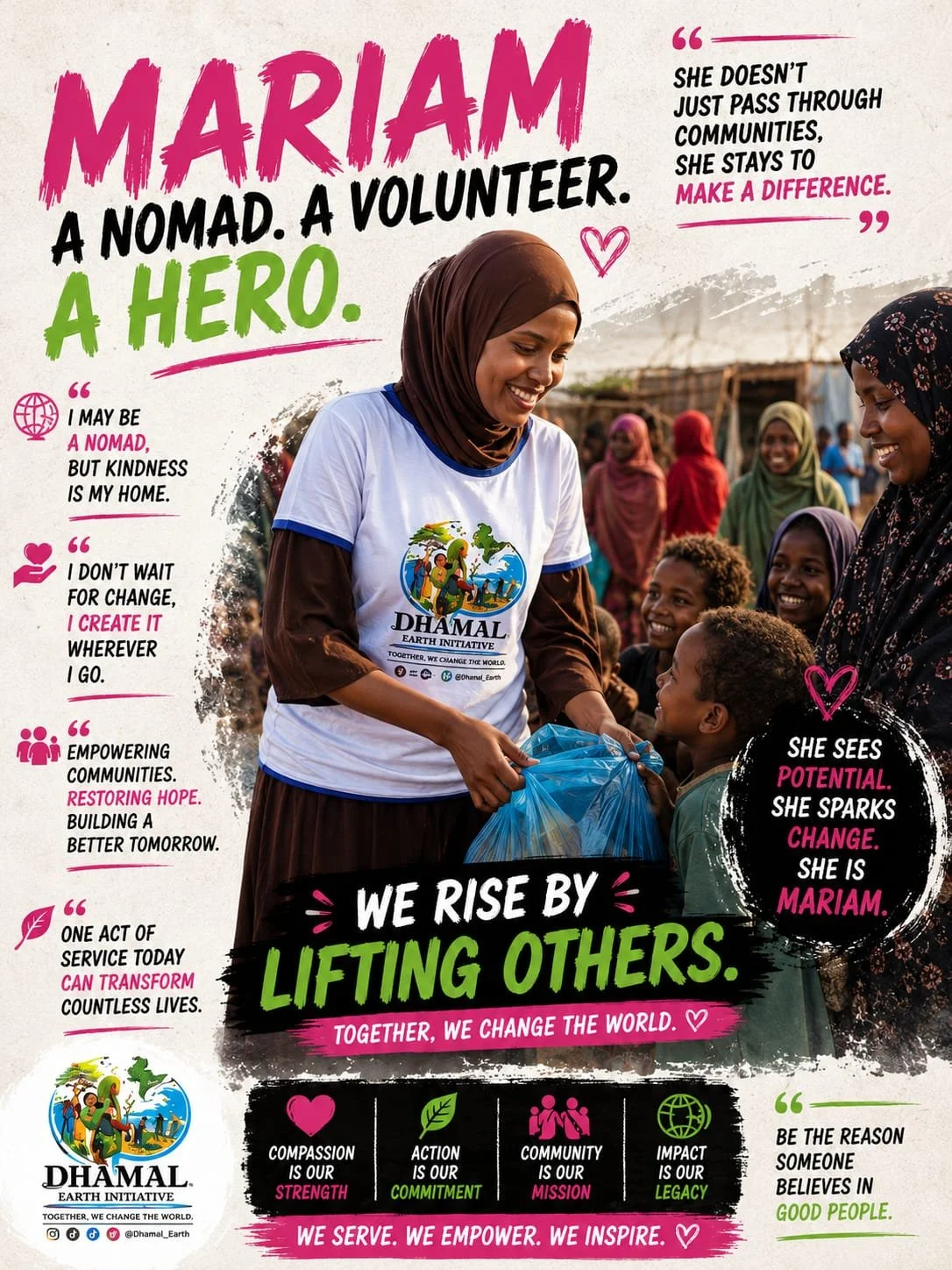
Across the Horn of Africa, pastoralist communities have lived in harmony with nature for generations. Their lives, cultures, and livelihoods are deeply connected to the land, water, and livestock that sustain them.
Yet today, these communities face unprecedented challenges. Years of recurring droughts, environmental degradation, shrinking grazing lands, and increasing competition over scarce natural resources have pushed many families into crisis.
Economic Impact: Livestock losses have devastated household incomes, forcing families to migrate in search of water and pasture.
Social Burden: Women and children often bear the greatest burden, walking long distances to collect water while struggling to maintain food security and family stability.
Resource Conflict: Environmental pressures have also contributed to local tensions and conflicts. As grazing areas disappear and water becomes scarce, communities are increasingly forced to compete for limited resources. This cycle threatens not only livelihoods but also peace and social cohesion.
Why Dhamal Earth Initiative Is Taking Action
At Dhamal Earth Initiative, we believe that environmental restoration is also peacebuilding. We understand that communities cannot thrive when the ecosystems they depend upon are collapsing.
Our mission is to work alongside pastoralist families, particularly women and youth, to restore environmental resilience while creating opportunities for sustainable livelihoods. Rather than imposing outside solutions, we partner with local communities to identify priorities and develop practical, locally driven programs that address both immediate needs and longterm challenges.
Our Integrated Approach
Sustainable Fodder Production
One of our flagship initiatives focuses on introducing drought-resistant fodder species suitable for arid and semi-arid environments. By supporting community fodder plots and demonstration farms, we help pastoralists reduce dependence on unpredictable grazing conditions. These efforts improve livestock health, strengthen household incomes, and reduce pressure on fragile ecosystems.
Water Access and Conservation
Reliable water access remains one of the most critical needs for pastoralist communities. Through water infrastructure projects, rainwater harvesting initiatives, and community-led conservation efforts, we aim to improve access to clean water for both people and livestock.
Environmental Restoration
Through tree planting, soil restoration, and community nurseries, we are helping restore degraded landscapes and improve environmental resilience against future droughts.
Women’s Leadership
Women are often the backbone of pastoralist households. Our programs prioritize women’s participation and leadership, ensuring they play a central role in environmental restoration and community development.
Building Peace Through Environmental Solutions
Environmental restoration does more than improve livelihoods—it creates pathways toward peace. When communities have reliable access to water, grazing resources, and sustainable livelihoods, the drivers of conflict are reduced. By investing in environmental recovery, we help create conditions where cooperation replaces competition and resilience replaces vulnerability.
Looking Forward
The challenges facing pastoralist communities are significant, but so is their resilience. By combining local knowledge, environmental restoration, and community-led development, we can help build a future where pastoralist families thrive, ecosystems recover, and communities live in greater peace and security.
Together, we are restoring not only landscapes—but hope.
